By: dr.Vardian Mahardika, M.Biomed, SpPD, AIFO-K
Obesity is still often seen as simply a matter of appearance or poor self-discipline. However, this view is no longer consistent with current medical understanding. The World Health Organization (WHO) now recognizes obesity as a chronic, relapsing disease, meaning it can persist over time, recur, and is influenced by many factors, including genetics, neurobiology, hormones, eating behavior, and the surrounding environment.
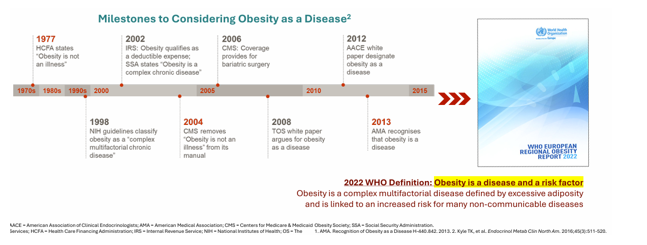
In other words, obesity is not just about “eating too much.” Some people are genetically more prone to gaining weight. Others may have altered hunger and satiety signals, while some bodies are more likely to store energy as fat, especially when combined with low physical activity, poor sleep, chronic stress, and irregular eating patterns. This is why reducing obesity to a problem of willpower alone can delay proper evaluation and treatment.
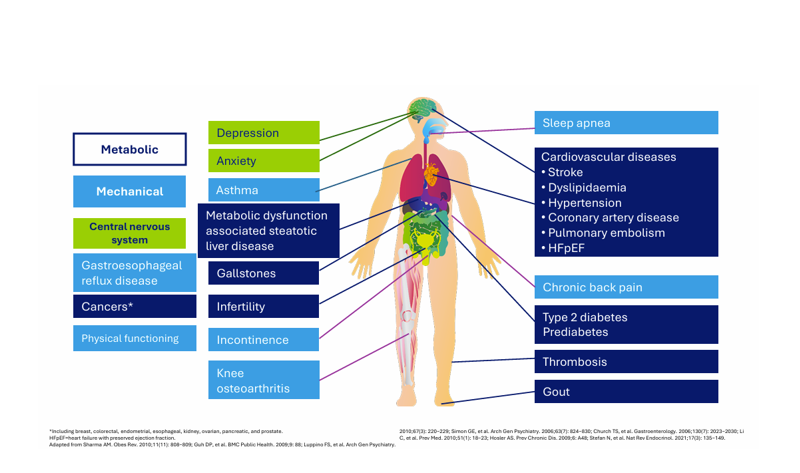
Globally, the number of people living with overweight and obesity continues to rise. This matters because obesity affects far more than the number on the scale. It increases the risk of many other medical conditions. For this reason, obesity is often described as the “mother of all diseases”– not as a formal medical term, but as a way to reflect how broadly it can affect health.
Looking Beyond BMI: When Is Someone Considered Obese?
Most people are familiar with Body Mass Index (BMI), which is calculated by dividing body weight by height squared. In the Asia-Pacific population, BMI cutoffs are more sensitive than the general global classification because metabolic risk tends to appear at lower BMI levels. The classification is:
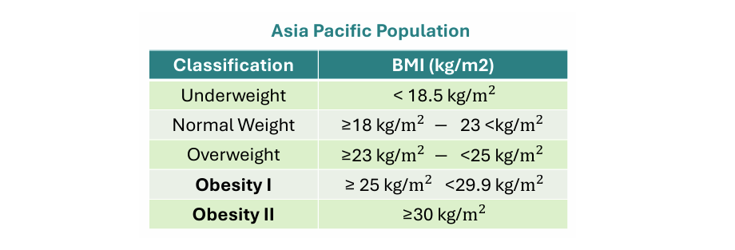
However, BMI does not tell the whole story. A person may have a BMI that is not very high but already carry excessive body fat, especially visceral fat. On the other hand, someone with a higher BMI may have more muscle mass than fat mass. That is why modern obesity assessment goes beyond BMI alone.
Why Is Visceral Fat Dangerous?
Not all body fat behaves the same way. The most concerning type is visceral fat, which accumulates deep inside the abdomen and surrounds organs such as the liver, pancreas, heart, and kidneys. This type of fat is far more metabolically active and is more likely to trigger chronic low-grade inflammation, insulin resistance, and hormonal disturbances.
As a result, obesity may be linked to a wide range of complications, including:
- type 2 diabetes and prediabetes
- hypertension
- high cholesterol and triglycerides
- fatty liver disease
- obstructive sleep apnea
- gout
- knee osteoarthritis
- cardiovascular disease
In many patients, the earliest warning signs are not always dramatic. They may simply notice increasing waist size, fatigue, poor-quality sleep, shortness of breath during activity, or difficulty losing weight despite repeated attempts.
Why Does Obesity Need a More Comprehensive Evaluation?
Experts now emphasize that obesity should not be judged only by BMI, but also by how it affects organs and overall quality of life. In clinical practice, I often explain that some patients may not have a very high BMI, yet they already show signs of hypertension, fatty liver, insulin resistance, or sleep-related breathing problems. Others may have a high BMI but no major complications yet. This is why obesity assessment should always be individualized.
This is where additional measurements such as waist circumference, body composition analysis, and Bioimpedance Analysis (BIA) become valuable. BIA can help estimate total body fat, muscle mass, and visceral fat. This matters because the goal of obesity treatment should not be just “to lose weight,” but to improve body composition and reduce future disease risk.
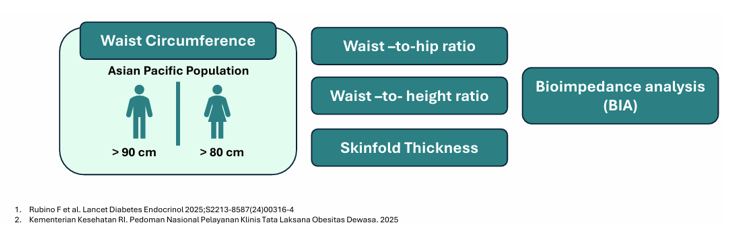
For some patients, evaluation may also include a more comprehensive medical check-up, including blood glucose, lipid profile, liver function, kidney function, blood pressure, and other cardiometabolic assessments.
When Should You Consider Getting Evaluated?
An obesity evaluation should be considered if you experience one or more of the following:
- increasing waist circumference
- progressive weight gain
- persistent fatigue or daytime sleepiness
- rising blood pressure, blood sugar, or cholesterol
- a family history of diabetes, hypertension, or heart disease
- repeated weight loss attempts followed by regain
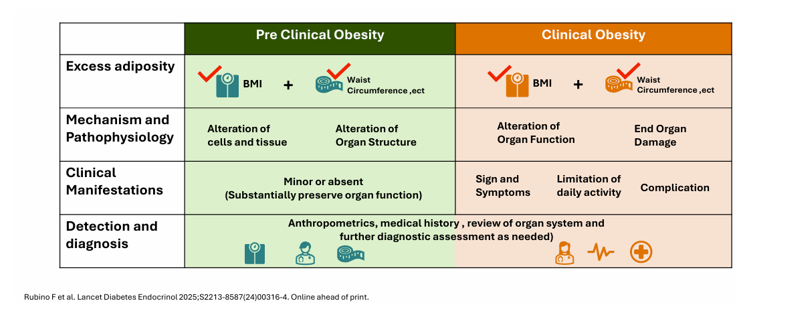
The earlier obesity is recognized, the greater the chance of preventing more serious complications later.
Obesity is not simply about appearance, and it is not merely a problem of motivation. It is a complex chronic disease influenced by biology, hormones, genetics, behavior, and environment. For that reason, treatment must also be comprehensive.
A proper obesity assessment means looking beyond the scale: where body fat is distributed, whether organs are already affected, and how the patient’s metabolic health is functioning overall. With the right evaluation—including body composition analysis and a full medical check-up when needed—treatment can be more personalized, more realistic, and more effective in the long term.
If you would like a more comprehensive and personalized weight loss program, you may consult with me through the integrated care services at RS Abdi Waluyo.
References :
- World Health Organization. Obesity and overweight. 2025.
- Rubino F, et al. Definition and diagnostic criteria of clinical obesity. Lancet Diabetes Endocrinol. 2025.
- Lim JU, et al. Comparison of World Health Organization and Asia-Pacific body mass index classifications in COPD patients. Int J Chron Obstruct Pulmon Dis. 2017.
- Okawa Y, et al. The Asia-Pacific Body Mass Index Classification and New Diagnostic Criteria for Obesity in Asians. Biomedicines. 2025.
- Ahmed SK, et al. Obesity: Prevalence, causes, consequences, management, and emerging therapies. 2025 review.